
SCADA Automated Water Hauling
Take a deep dive into how an IronSight client transformed their operations with automation.
Executive summary
A mid-sized Texas operator looking to grow faced mounting challenges with water hauling: more than 3,000 paper tickets processed a month, limited visibility into operations, and no efficient way to validate what work was done.
Despite strategic infrastructure investments in SCADA on well tanks and flow meters at disposals, their team still needed a way to operationalize their data without scaling manual administration.
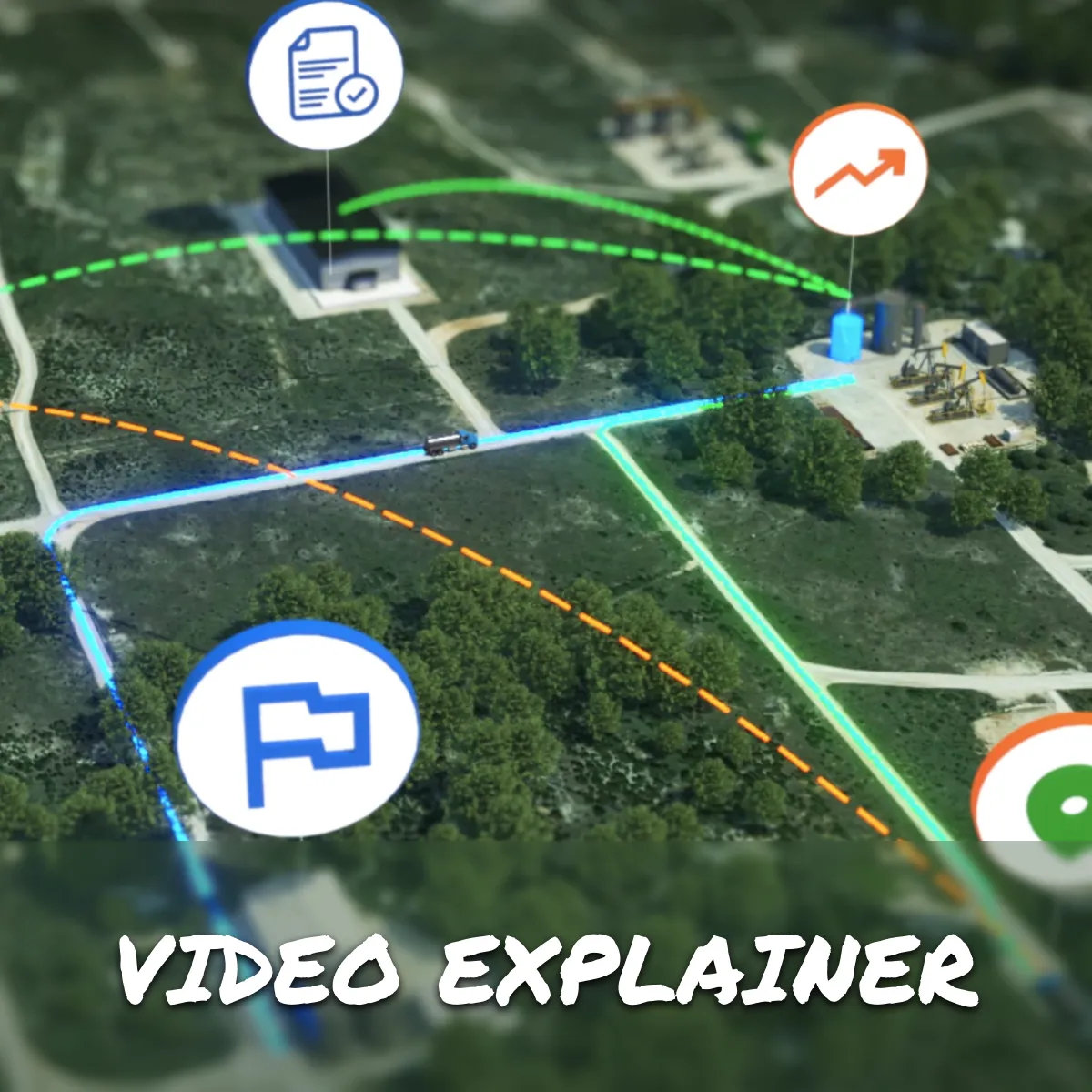
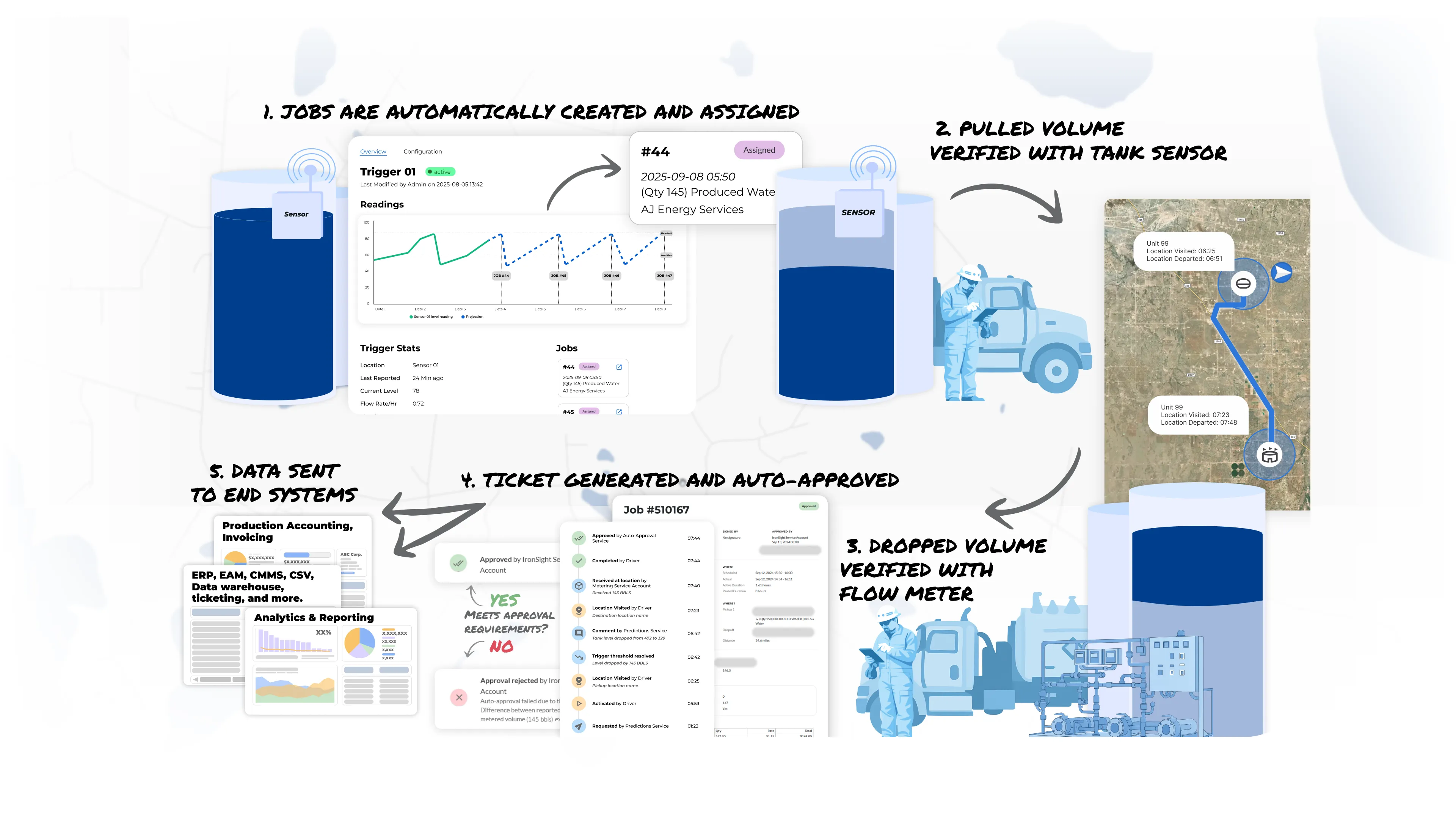
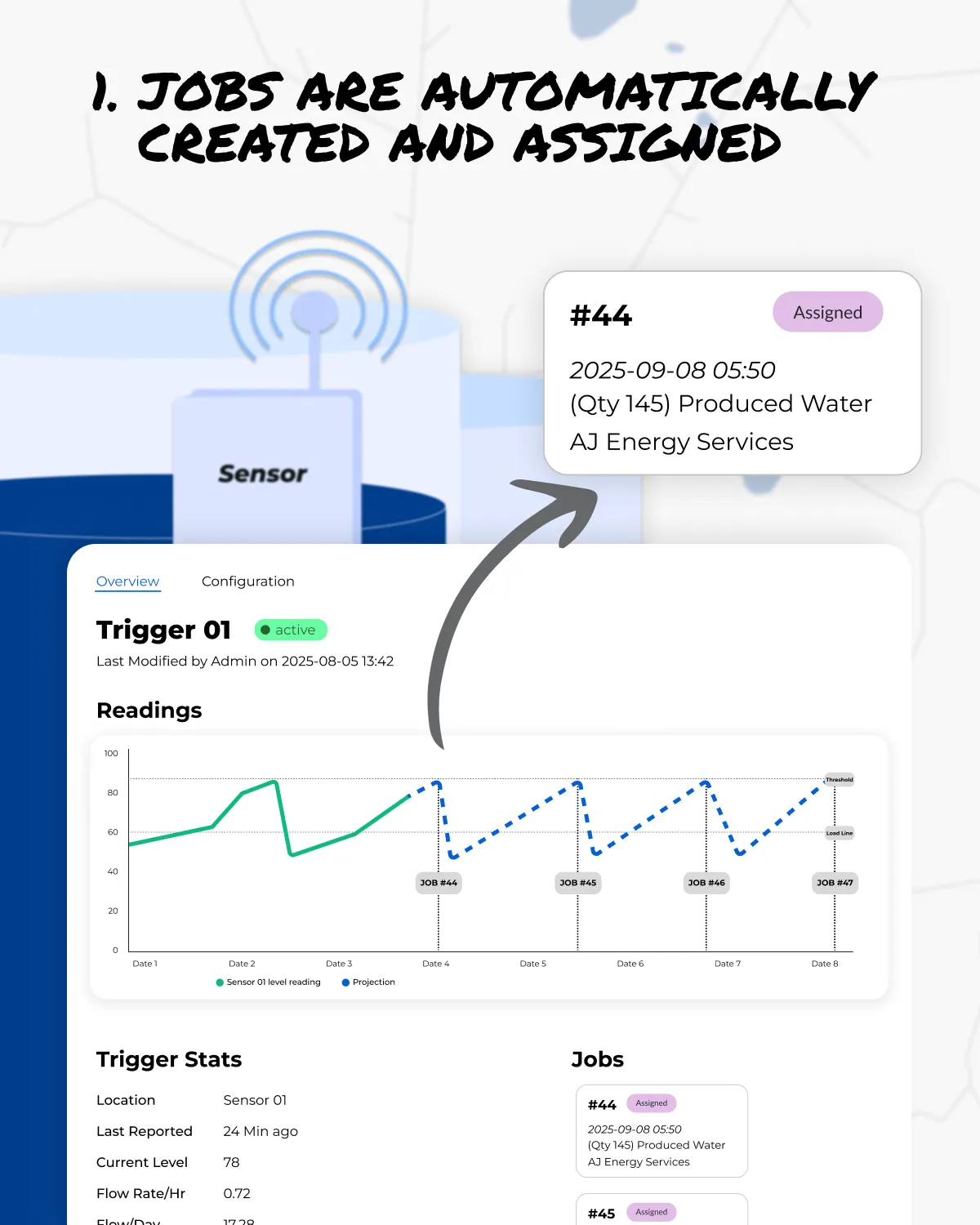
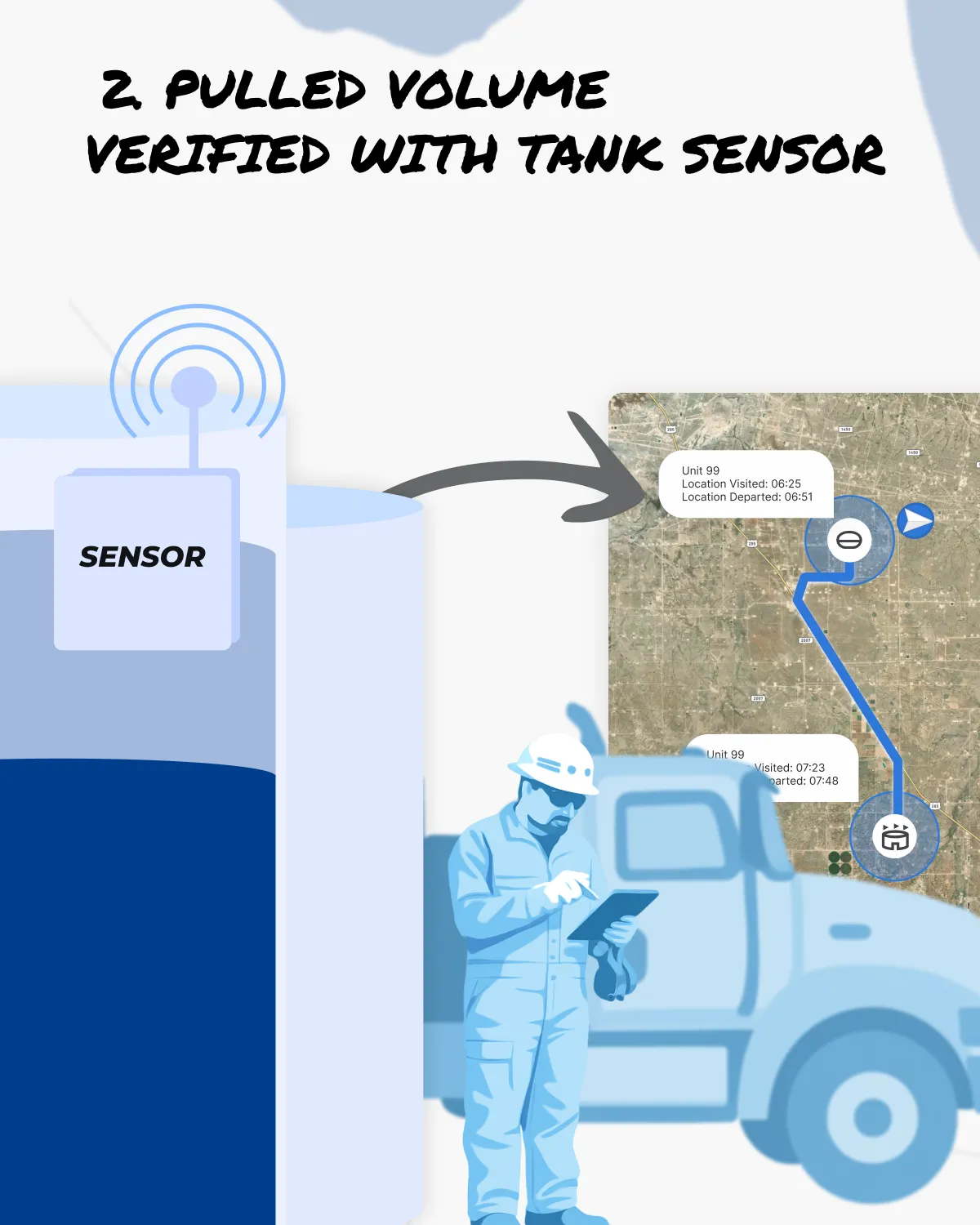
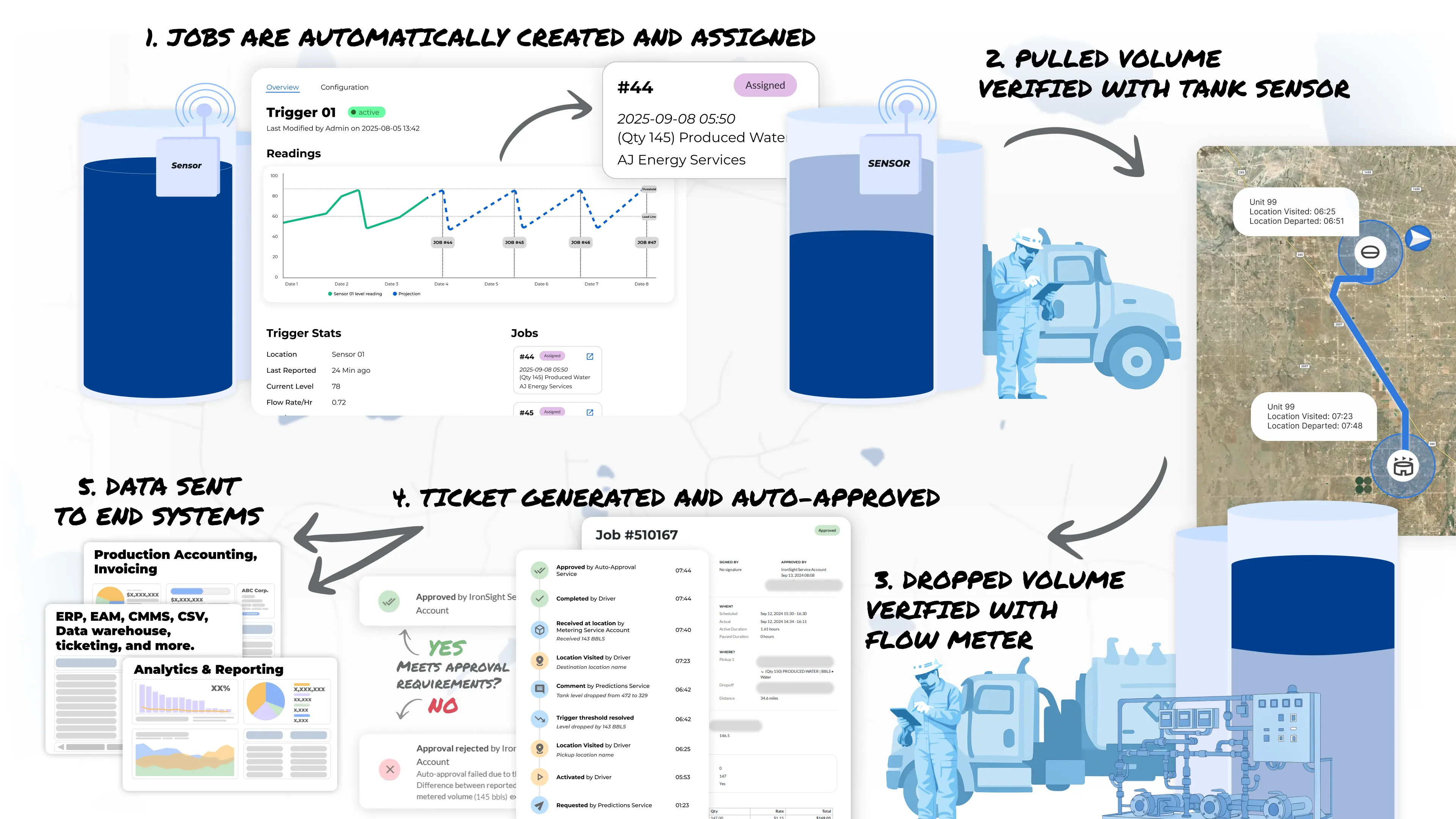
By partnering with IronSight, the operator transformed their water hauling workflow so they could get more done with less. Jobs are now automatically created based on SCADA readings, auto-assigned to their hauling service providers, and auto-verified against GPS and flow meter readings.
With full visibility into the work they’re paying for, and an auditable digital trail to support it, tickets are auto-approved in IronSight. These auto-approved tickets are then sent directly into accounting systems, eliminating hundreds of hours of manual reconciliation and data input.
This transformation positioned the operator to scale efficiently, improve accountability, and build stronger partnerships with service providers — all while reducing costs and complexity.
reduction in water hauling costs
Return on Investment
of tickets automatically approved
reduction in invoice volume
reduction in average hours per job
improvement in reported volume accuracy
The vision
After an annual review the operator identified three key objectives to support their strategy:
Reduce costs
Improve accountability
Optimize processes
One area stood out as an immediate opportunity. Water hauling.
One of the most expensive, least accountable, process-inefficient areas of their business. So they went to work on a master plan: elevate their infrastructure, digitalize their processes, and automate wherever possible.
1. Install
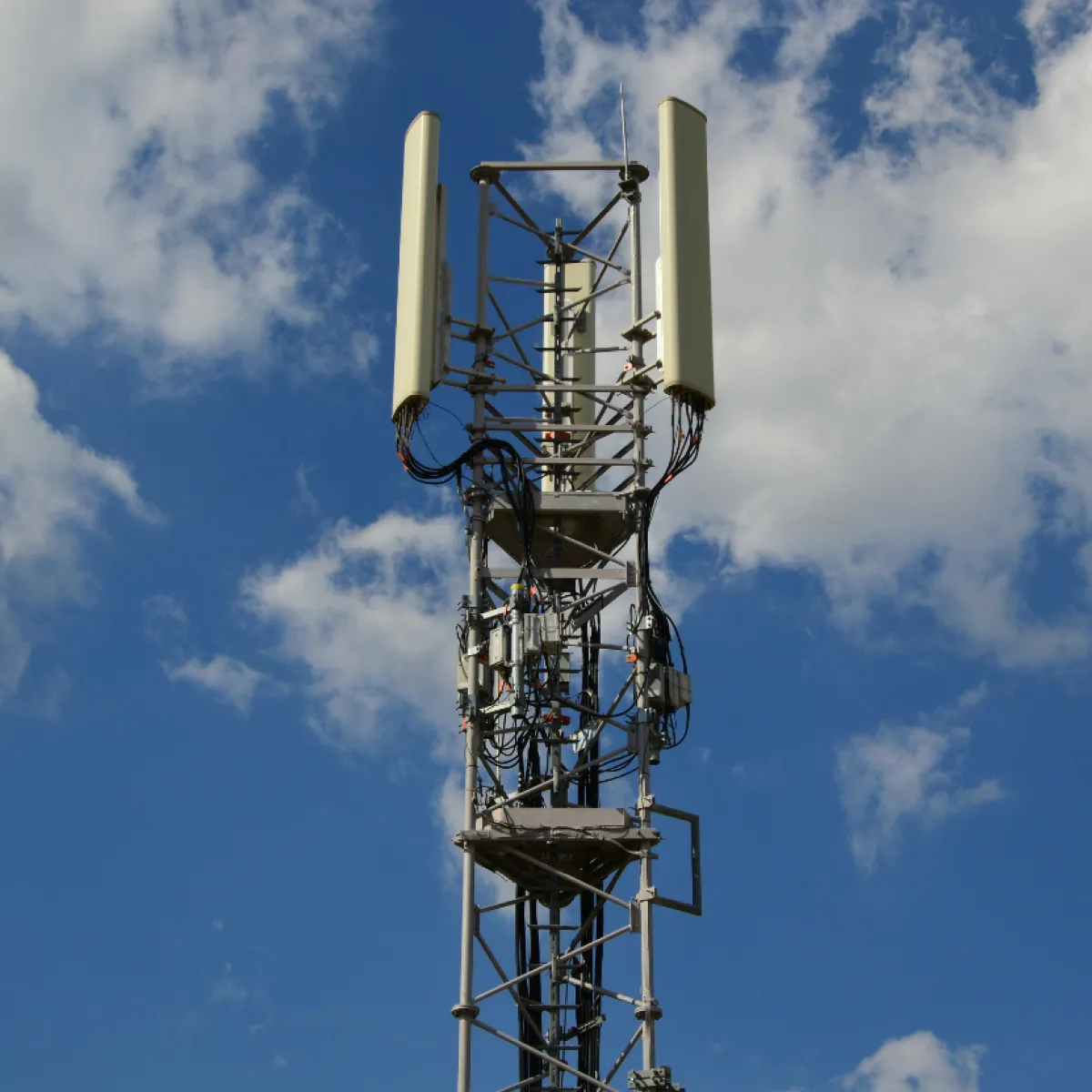
Cellular Modems
To ensure data, instead of people and paper, could move easily from well to office.

2. Install
SCADA Sensors
On every tank, so volumes could be measured remotely.
3. Install
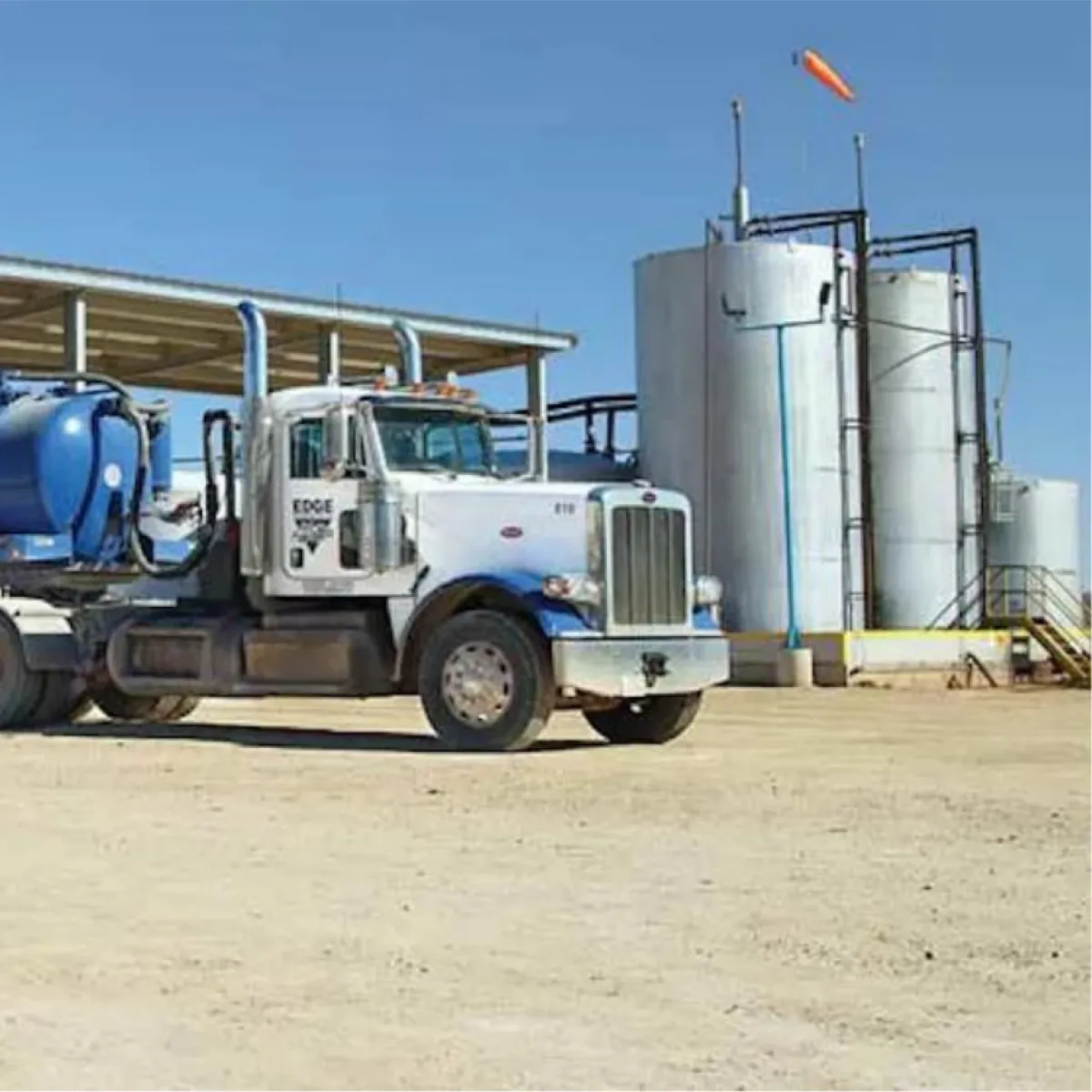
Offload Meters
At owned SWD locations to verify every molecule disposed.

4. Update Production Accounting systems
To accurately house important information and sync with SCADA, Meters, and a digital field operations software platform.
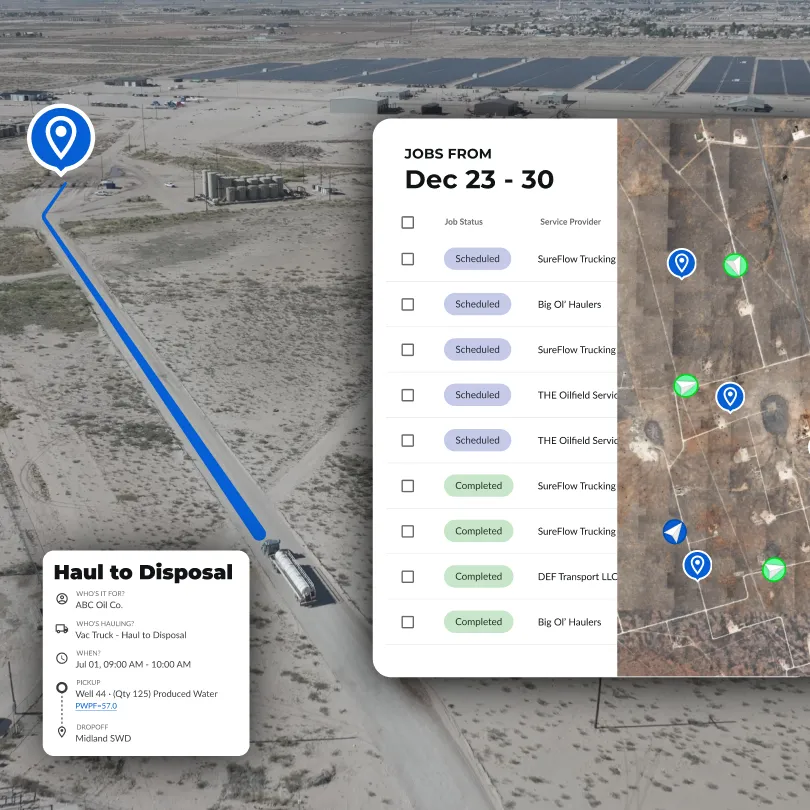
5. Implement a Digital Field Operations Software
To act as an operational platform and to enable automation of requesting, scheduling, dispatching, documenting, validating, and approving of work.
The challenges
This operator knew that without improving their field level visibility, streamlining inefficient processes, and leveraging their data, they’d be stuck with a system prone to cost leakage, disputes, and inefficiency — costing both the operator and its service providers valuable time and money.
Limited field visibility
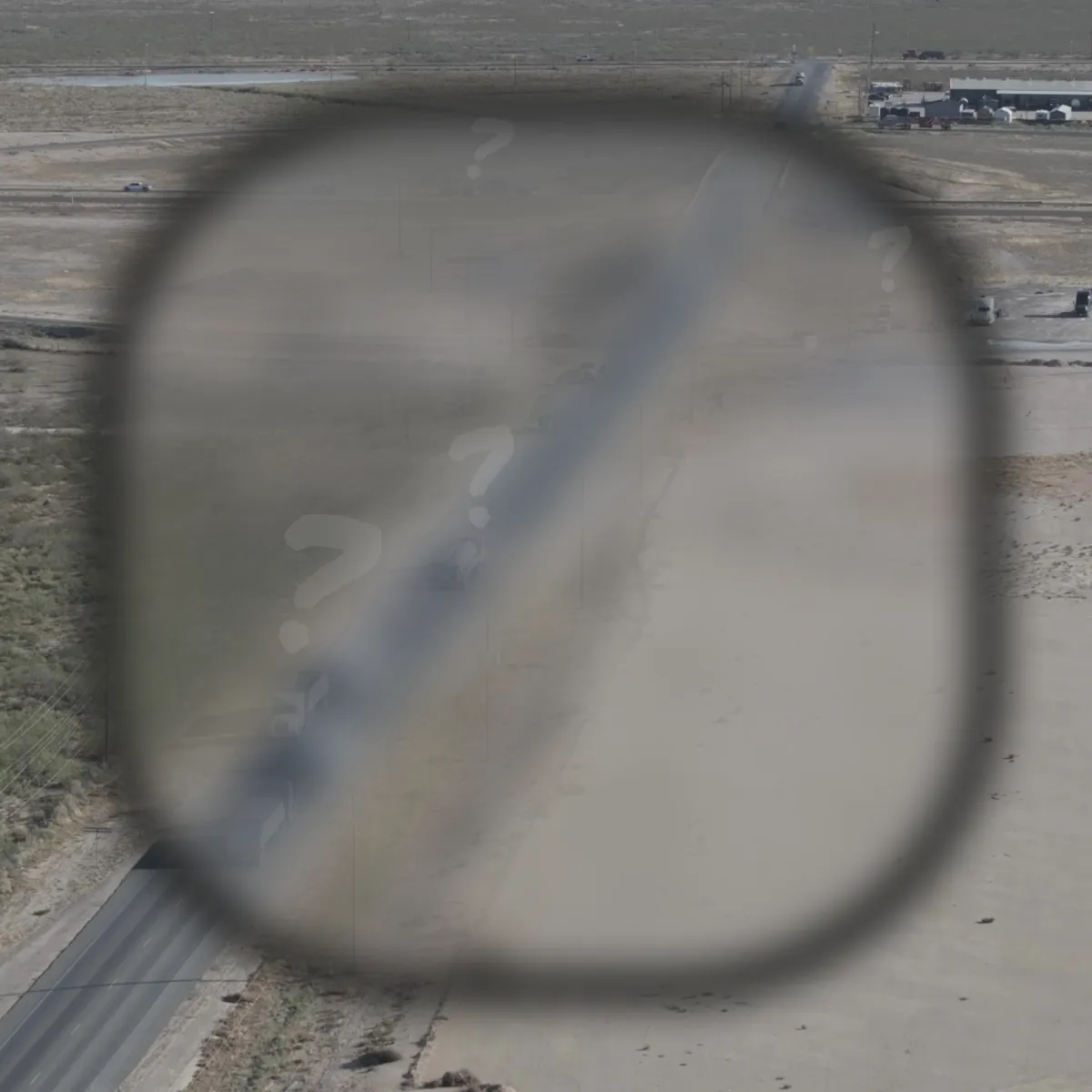
The operator had little insight into who was working where or how tasks could be coordinated across locations. Service providers were using a third-party view of the operator’s SCADA to self dispatch. While this approach meant the operator didn’t need their own dedicated dispatchers, it also left them with a lot of questions. Was the truck assigned to a job the closest available asset...or one from 100 miles away? Was the truck even at the right location? They didn’t know. It also meant that loads could be easily missed — a problem for both the operator and their service providers.
Cumbersome processes
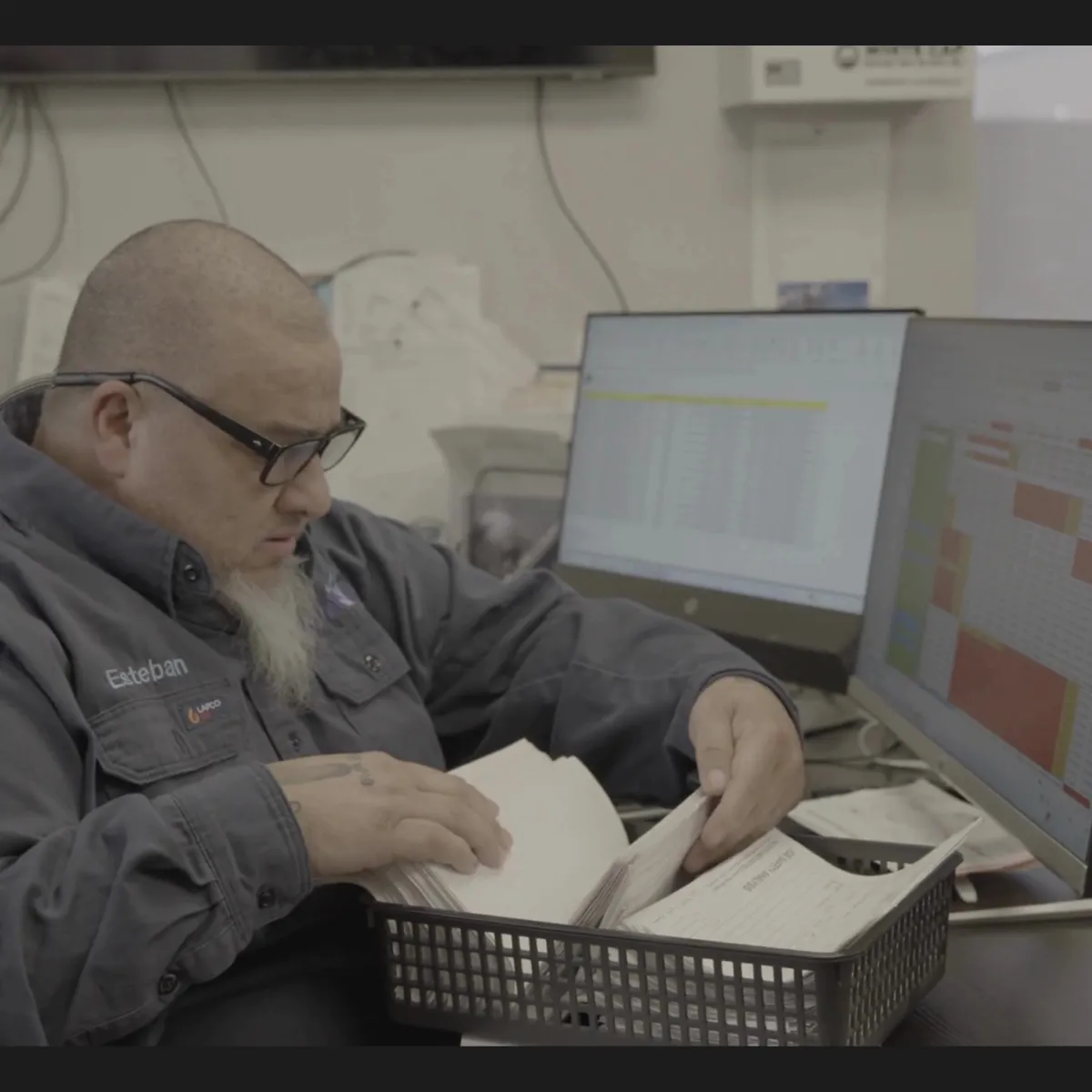
Around 3,000 tickets a month were being converted into invoices and submitted to the operator. The team then had to manually reconcile, verify, and enter information from each invoice into their accounting systems. This process demanded tremendous amounts of time for both operator and service providers, and often led to errors.
Data and billing inaccuracies
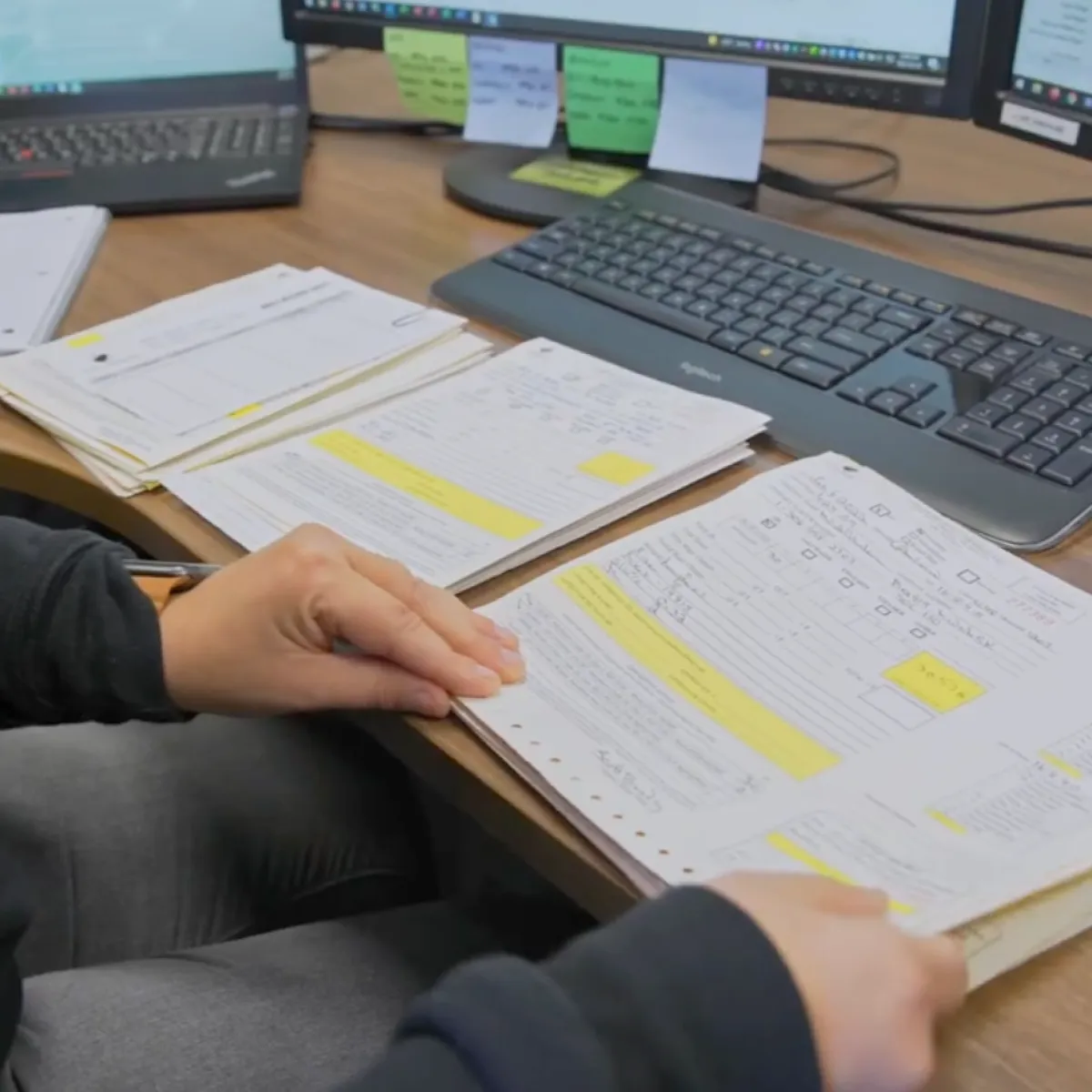
95% of loads were billed as full, even though trucks didn’t contain that volume. Similar well names and last-minute changes created confusion in cost allocation. Without a way to confidently verify hours, the operator was forced to use a per-barrel billing model. This caused frustration for both the operator and their service providers. Every RFP cycle, service providers had to convert their internal hourly models to per-barrel pricing. That process indirectly incentivized overbilling, as they adjusted turnaround times to fit the new structure.
The selection
After executing against the first four parts of their plan, it was time to tackle the final and most uncertain part.
The Digital Field Operations solution.
Without it, the operator would have a ton of valuable data with no way to efficiently turn that information into action.
Building a solution in-house was quickly ruled out. Not just due to the operator’s size, but also because their team had seen too many in-house attempts in previous roles soak up resources without delivering results.
Their team turned to the market to look for a solution, and ran a competitive selection via RFP to narrow down to the top contenders.
Ultimately, IronSight was chosen for three main reasons:
The operator knew that without adoption from field personnel, any new field-based software solution would be dead on arrival.
IronSight is built for the field, and its easy-to-use mobile app and intuitive workflows provided the operator with the confidence they needed to know that IronSight didn’t just look good but would actually perform as expected in the real world.
No process or software is perfect. And while the IronSight team wasn’t shy about selling their abilities, they also ensured clear communication at every step.
Pragmatism about what was possible and identifying who was responsible for what provided a sense of confidence that what could be done, would be done.
IronSight could plug into their existing technology stack, specifically their ERP, Production Accounting and of course, SCADA.
Another appealing aspect was a service-provider-friendly licensing model, with no need for direct-to-service-provider subscription costs or expensive hardware requirements.
The rollout
After making their selection, it was time to get to work.
IronSight and the operator worked to finalize implementation scope, and assign responsibilities and deadlines across both organizations.
A detailed implementation roadmap was put together and IronSight connected directly with the operator’s other software vendors who would be involved with the integrations.
Here are some key elements that helped both teams deliver a successful rollout:
Implementing any change to an organization is a challenging undertaking. That’s why laying things out clearly, setting deadlines, and assigning individual responsibilities for everyone involved is a must.
In this case, this operator was experienced at working with vendors and had their own process for change management that the IronSight team was able to align with.
One of IronSight’s and the operator’s shared philosophies is to avoid “Boiling the Ocean”. By breaking down the rollout into smaller projects with clear metrics for successful completion, crucial requirements for the overall success of the rollout can be delivered with maximum efficiency and minimum disruption.
Road bumps are an inevitable part of rolling out a new software solution and process. Some bumps come from the unexpected effort required to clean and consolidate data from existing sources; others surface when real-world requirements emerge after a new process goes live.
This operator’s rollout wasn’t a perfect and painless experience, but perfection and comfort were not the goal. It was to deliver what was promised and turn that delivery into impactful results.
Staying focused, communicating regularly, and having champions to push through road blocks kept everyone on track. From the contract being signed to the first jobs being assigned to service providers, IronSight was live after just four months.
The IronSight implementation playbook

Clear Expectations Upfront
Align on what KPIs and milestones matter most, so everyone can focus on delivering results from Day 1.
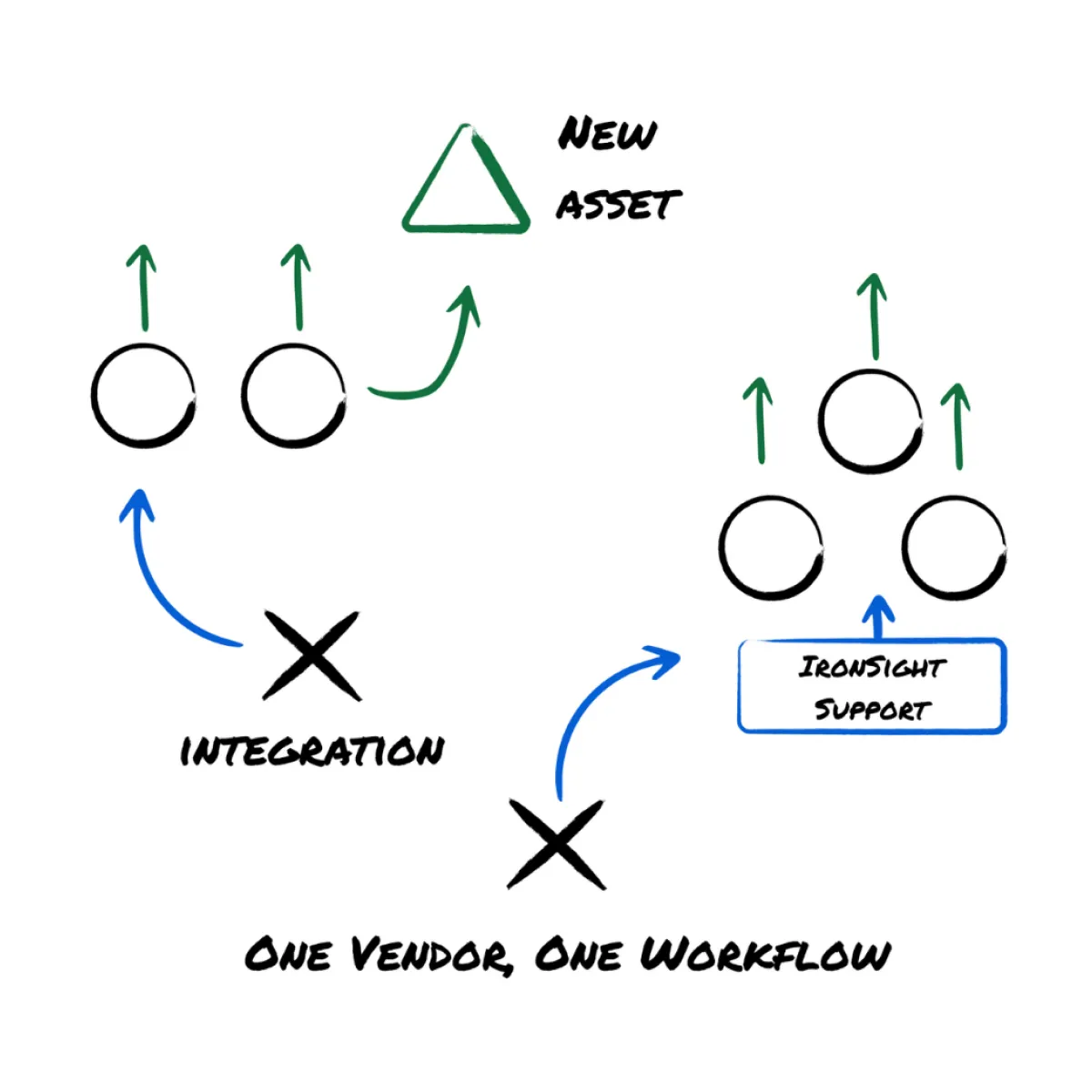
Build Solid
Game Plans
Lay out a plan of action so implementation can happen quickly, while staying within realistic timelines.
Onboarding
Users
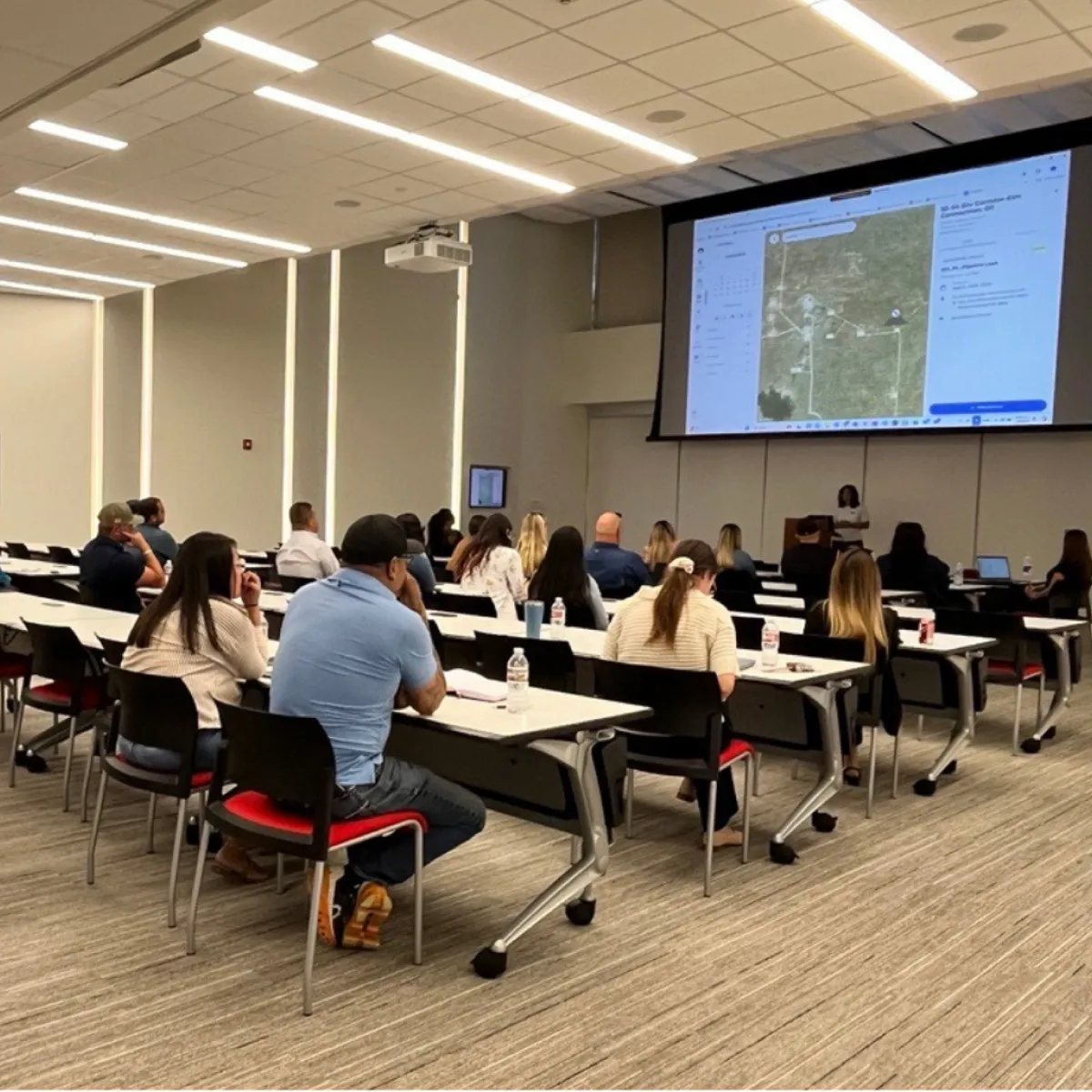
Getting field level adoption is a must and IronSight takes a
hands-on approach with users
to support this.

Regular
Touchpoints
Before — and importantly after — deploying to the field, regular check-ins between teams help to everyone stay ahead of any issues.
How it works
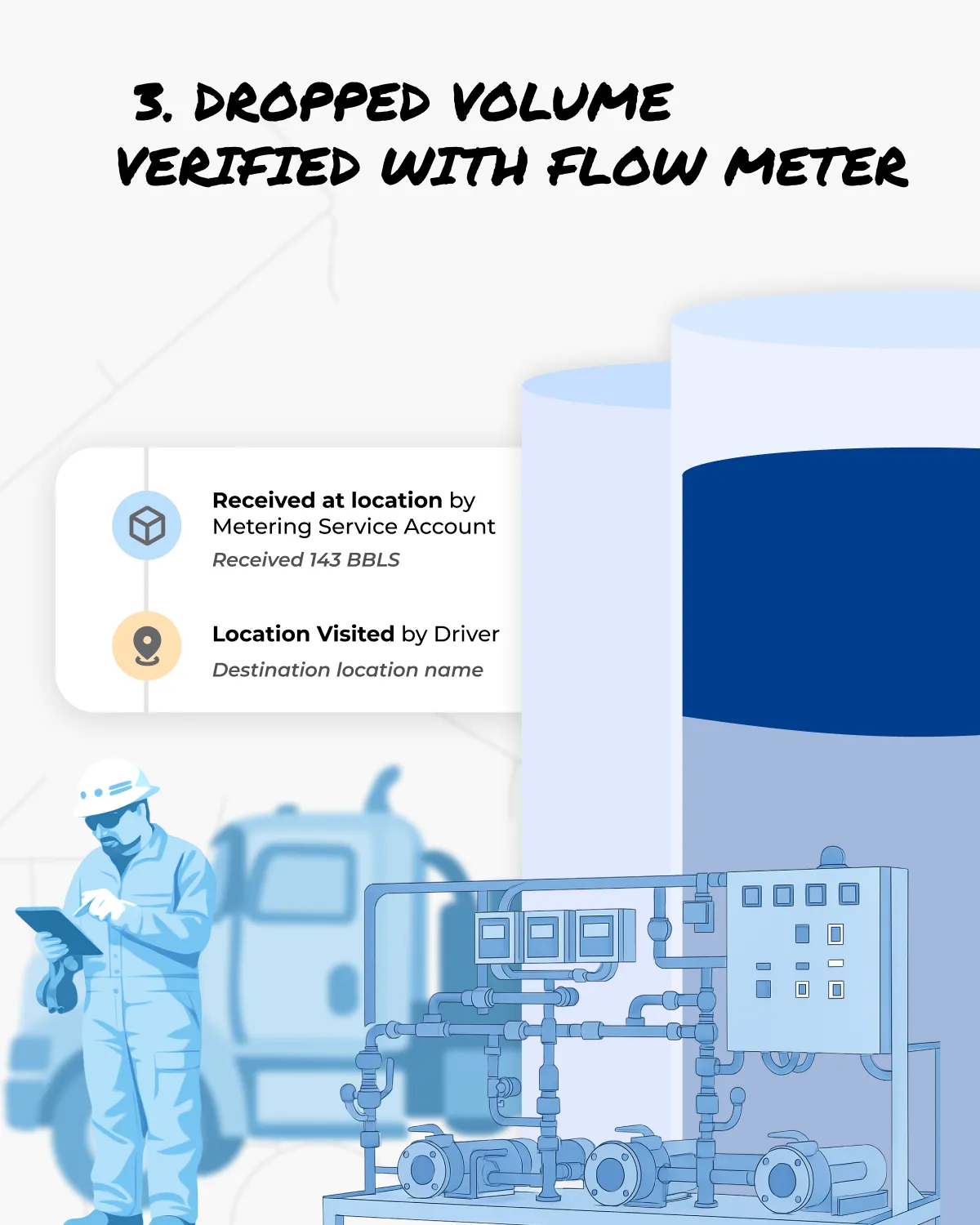
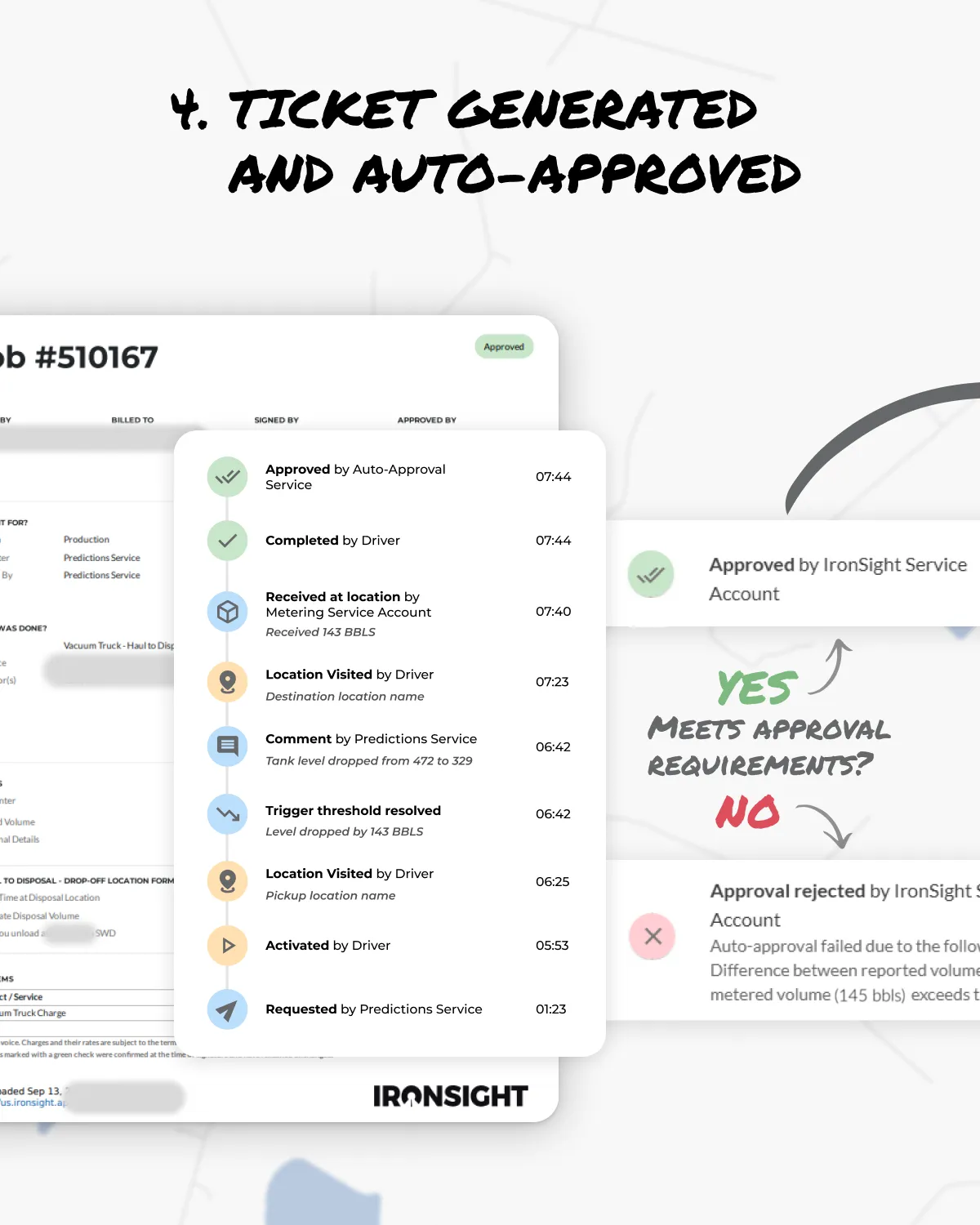
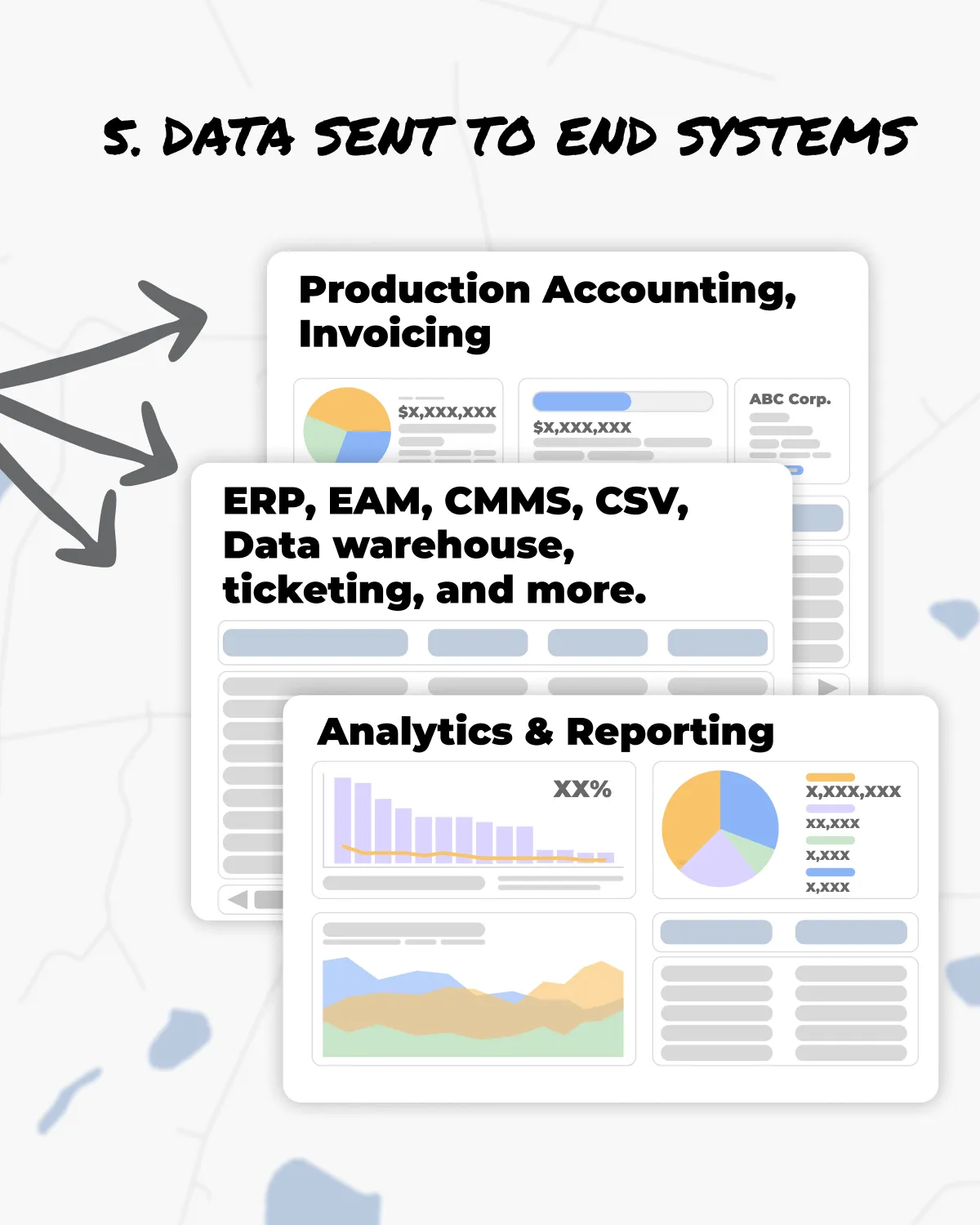
The quantitative results
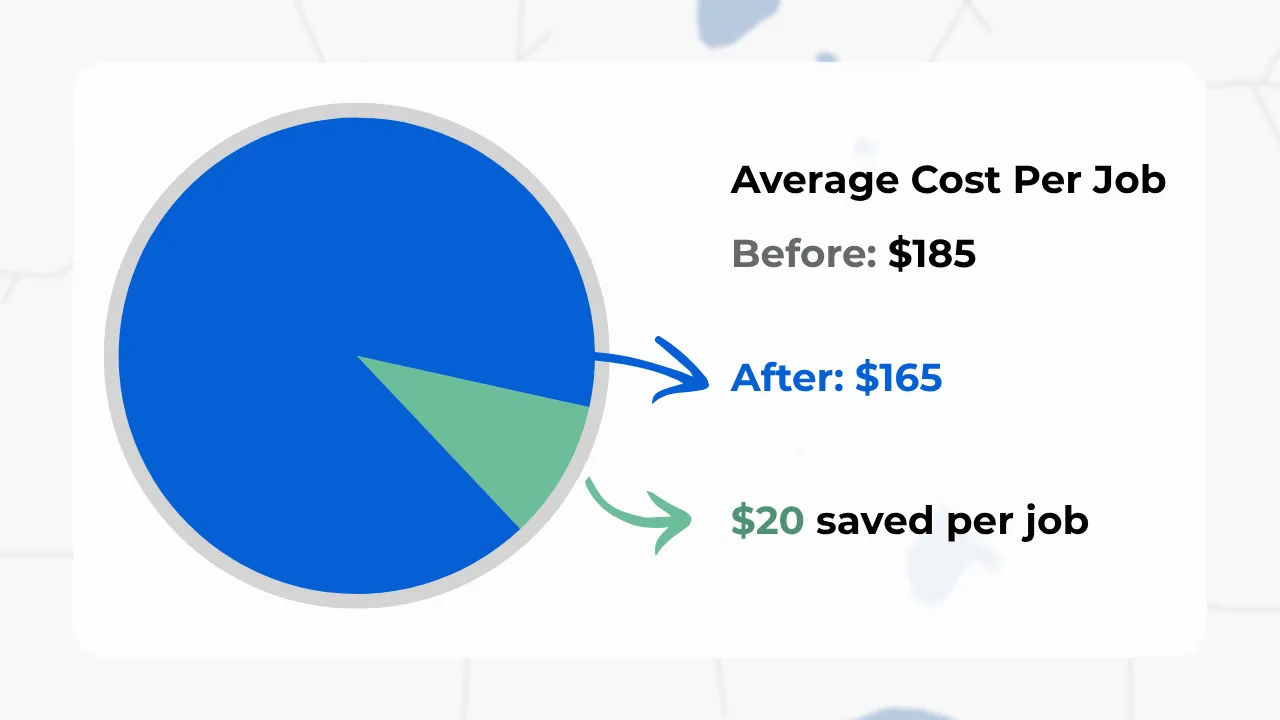
20% Cost Savings
10-15% cost reduction attributed to being able to verify actual quantities and avoid entry errors.
10-15% from enabling an hourly billing model.
And an 8:1 ROI.
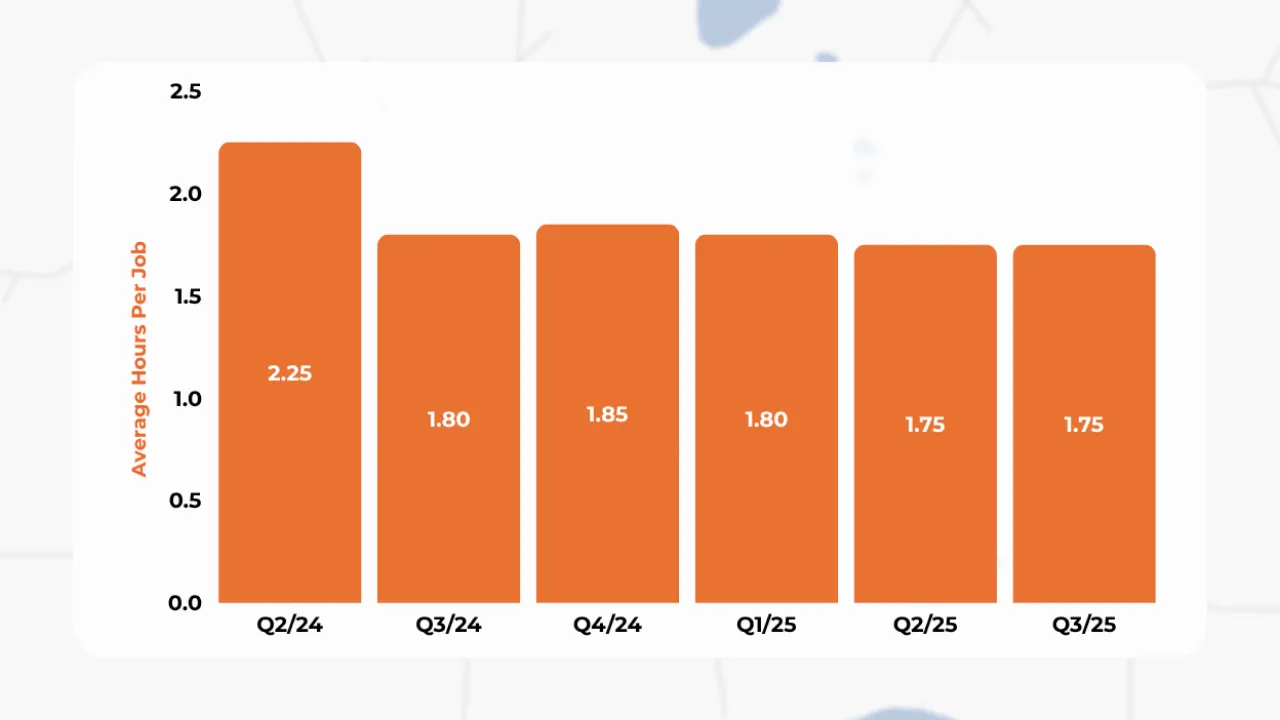
25% Reduction in Average Time per Job
With improved scheduling, communication, and accountability, average job duration was reduced by 25% — another reason why making a switch to hourly makes sense.
15% Improvement to Reported Volume Accuracy
Prior to IronSight, the operator saw 95% of loads being submitted as exactly full.
After implementing IronSight, only 80% of loads were reported as full.

85% of Tickets are Auto-Approved
Those 3,000 tickets a month being manually reviewed turned into about 2,600 automatically approved tickets, with only 400 a month left for manual review. And those remaining manually reviewed tickets could be checked against plenty of verifiable data.
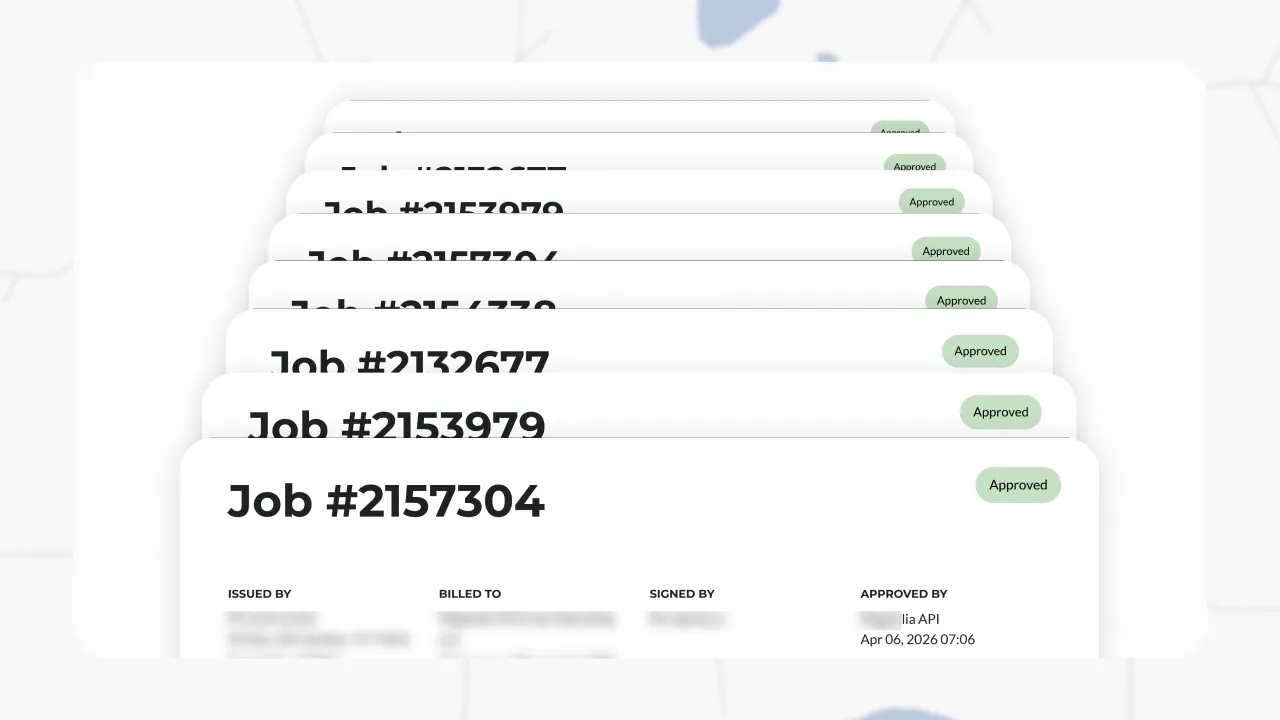
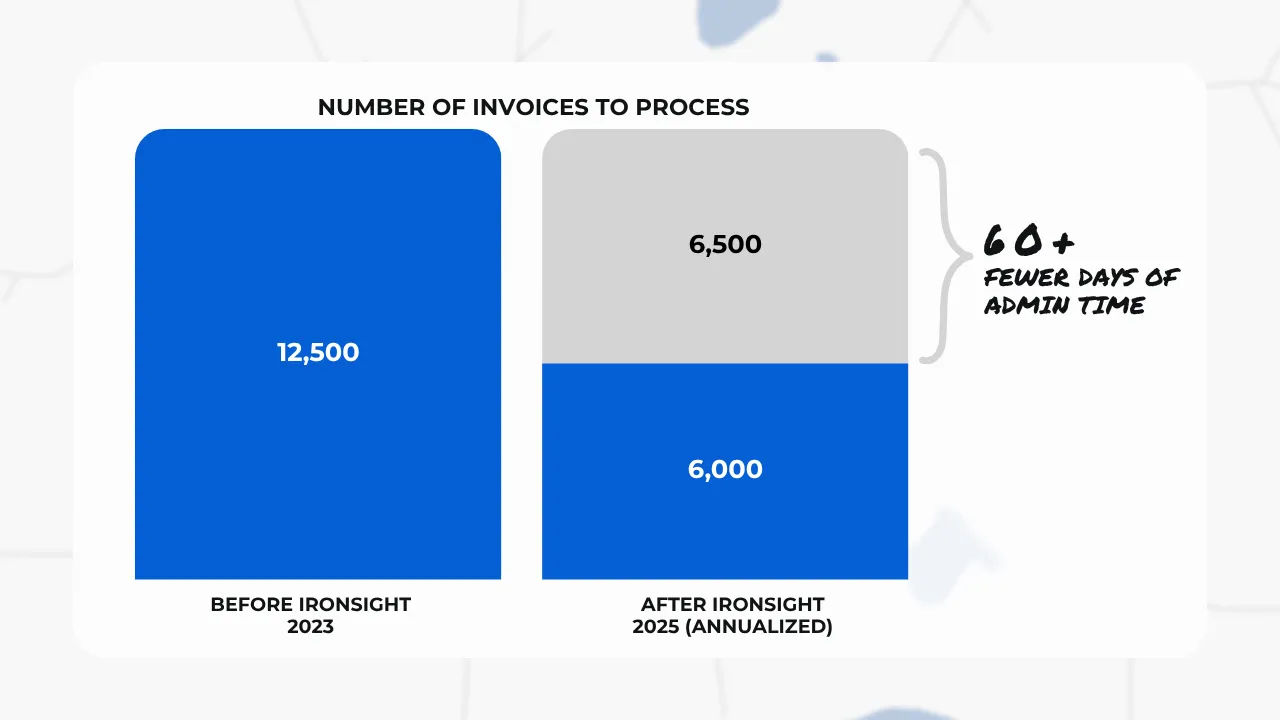
2 Months/Year of Reduced Invoice Administration
Because each ticket could be easily approved in IronSight, service providers were able to batch pre-approved tickets into invoices — in one case turning what would have been 850 invoices down to just one. The reduction in invoices (and errors) has saved over two months of working days for admins.
The qualitative impact
Smarter, Faster Decisions
With real-time visibility into job status, carrier performance, and field activity, the operator can now make immediate, informed decisions. Dispatch adjustments that once took hours now happen in minutes, transforming management from reactive coordination to proactive optimization.
Data-Driven Resource Allocation
Validated data from every job has enabled the client to allocate resources with precision. Trucks are dispatched based on true need and proximity, reducing idle time, improving utilization, and ensuring consistent service coverage across expanding operations.
Empowered, Accountable Teams
IronSight’s real-time dashboards have fostered a culture of accountability. Field crews and carriers now see their performance in context, allowing them to self-correct in real time. Managers spend less time chasing updates and more time leading continuous improvement.
Confident, Scalable Operations
As the operation grows, standardized workflows and cloud-based architecture enable the client to scale seamlessly. New assets, service providers, and job types can be added without excess administrative overhead, allowing growth to come with consistency and control.
Looking ahead
One of the best parts of working with IronSight is a commitment to innovation. One and done just isn’t our style.
With a strong foundation in place, the operator sees opportunity for further gains. So, what’s next?
With a newly developed ability to be billed hourly with high confidence in job quality, the operator is now focused on improving the hourly efficiency of their service providers to complete jobs.
Route Optimization stacked on top of end-to-end automation for a near hands-free, data-optimized workflow. Learn about our current intelligent dispatch feature, Dynamic Dispatch.
Railroad Commission of Texas (RRC)* compliant manifesting with IronSight’s E-Manifest workflow. Learn more about manifesting here.
Expanding SCADA automated dispatching to crude hauling.
**This workflow is currently deployed for other clients**
Leverage the wealth of data collected with IronSight by creating AI-driven insights.
A note on when it doesn't work (yet)
When you’re telling the market that transparency and collaboration are part of the path to success — it helps to walk the walk. So here’s where the approach has had challenges.
Some of these have been fixed, some are being worked on, but none of them have been deal breakers for the 35% of IronSight E&P clients using SCADA automation today.
Bad Data = Bad Predictions
If we don’t get a SCADA reading, we can’t predict a job or verify volumes. This happens sometimes from broken/dirty sensors, or more commonly from misconfiguration of data. This can be the difference between 60% job prediction accuracy and 95%.
Equalized Tanks
We’re getting better at this, but trying to predict jobs and pulls for equalized tanks can be challenging, especially if different tanks are up and down at different times due to maintenance.
Fast Filling Tanks
If the tank just always fills really fast that’s fine. But if it’s a tank supporting a frac/wellstim/etc., that day or two fast-filling spike can really throw things off. One of the simplest approaches is to communicate this activity with your haulers so they know to check IronSight more frequently for hauling jobs.
Driver Error
Drivers need to use IronSight for any workflow to work. This isn’t a pervasive issue, and it’s one we’re really, really familiar with solving. But yes, it happens from time to time.
Summary
This Texas operator's journey illustrates a valuable truth: in today's competitive energy market, operational excellence requires more than good intentions — it demands systematic transformation backed by the right technology and infrastructure investments.
Foundation First
The operator's strategic approach of building robust infrastructure (SCADA, flow meters, connectivity) before implementing operational software created the foundation for automation success. Without this groundwork, digital transformation efforts often fall short of their potential.
End-to-End Integration
Rather than implementing point solutions, the operator chose a platform that could integrate with existing systems and automate the entire workflow, from job creation through final billing. This holistic approach maximized ROI and minimized operational disruption.
Service Provider Partnership
Success required buy-in from service providers. By positioning the technology as mutually beneficial and providing strong adoption support, the operator maintained relationships while driving accountability improvements.
Industry Implications
The 8:1 ROI achieved demonstrates that digital transformation in oil and gas operations isn't just about staying competitive — it's about unlocking significant value from existing assets and processes. As the industry faces continued pressure on margins and operational efficiency, operators who delay digital adoption risk being left behind.
Ready to
automate?
Nothing like good ol' fashioned conversation to understand how IronSight's SCADA Automation workflow will work for your business.